Did you know? The landlord always has to pay for the renovation fund
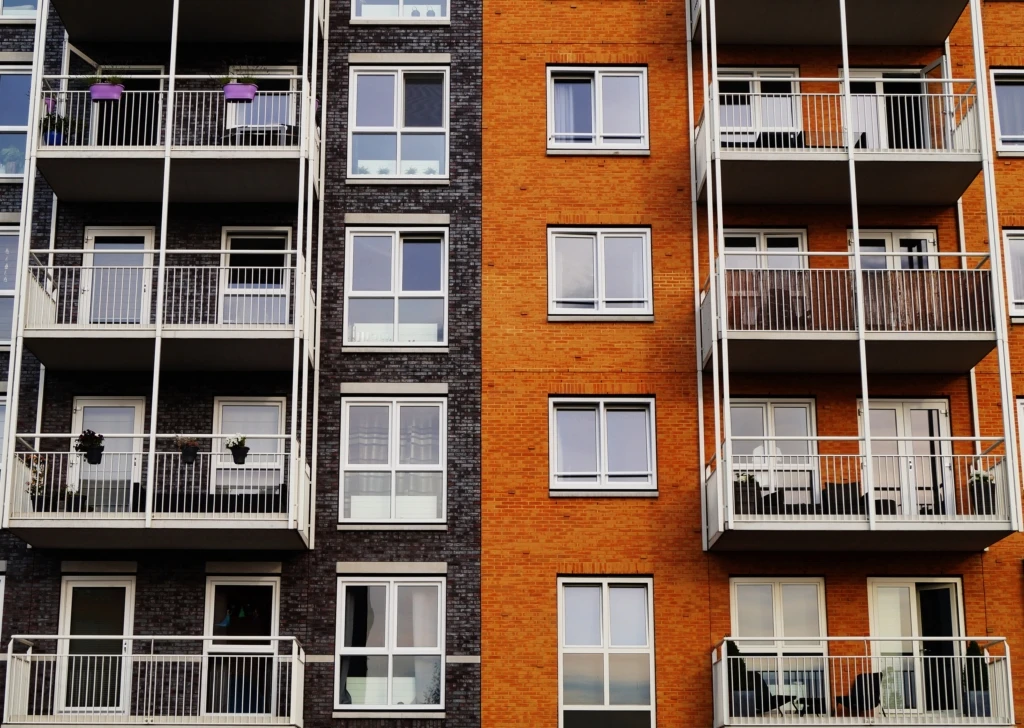
Who is obligated to pay for the repair fund? Can a security deposit be requested for more than one month? Questions are answered by Anna Liiv, a sworn attorney at law firm TRINITI.
1. Who must pay for the repair fund?
In short – in the case of a residential lease, always the landlord; in the case of a commercial lease, according to how the parties agree.
The law and court practice are unanimous that in a residential lease agreement, any clause that places payments resulting from the repair fund on the tenant is void, as it deviates from what is established in the law to the detriment of the tenant. Namely, the law states that in addition to rent, the tenant must pay ancillary costs, which are payment for services related to the use of the property. Examples include water and electricity costs, etc. However, the repair fund is not related to the use of the property, but rather concerns the obligation to maintain the property.
In the case of a commercial lease, the parties are free to choose the conditions they agree upon. In the absence of an agreement, the landlord pays the repair fund.
2. Is it possible for a landlord to request a security deposit for more than one month?
Yes. It should be noted that according to the law, a residential lease agreement may stipulate that the tenant pays a security deposit to the landlord of up to three months' rent to secure the performance of obligations arising from the lease. The tenant may pay the security deposit in equal installments over three months. The first installment must be paid after the lease agreement is concluded.
In the case of a commercial lease agreement, the limitations mentioned above do not apply, meaning the security deposit for commercial premises can be more than 3 months' rent and can be paid in a single payment.
You can view rental offers HERE
Article source: arileht.ee
Search
Keywords
Most read articles
- Price per Square Meter of Apartments in Tallinn in 2025

- Apartment Market in Early 2026: Prices Rising, Transaction Activity Remains Modest

- Apartment Market in Early 2026: Prices Rise, Transaction Activity Remains Modest
- Estonian Apartment Prices and Market Expectations in 2025
- Notary Fee and State Fee – Who Pays and How Much?