Convenient, but not risk-free: lawn robot in the garden
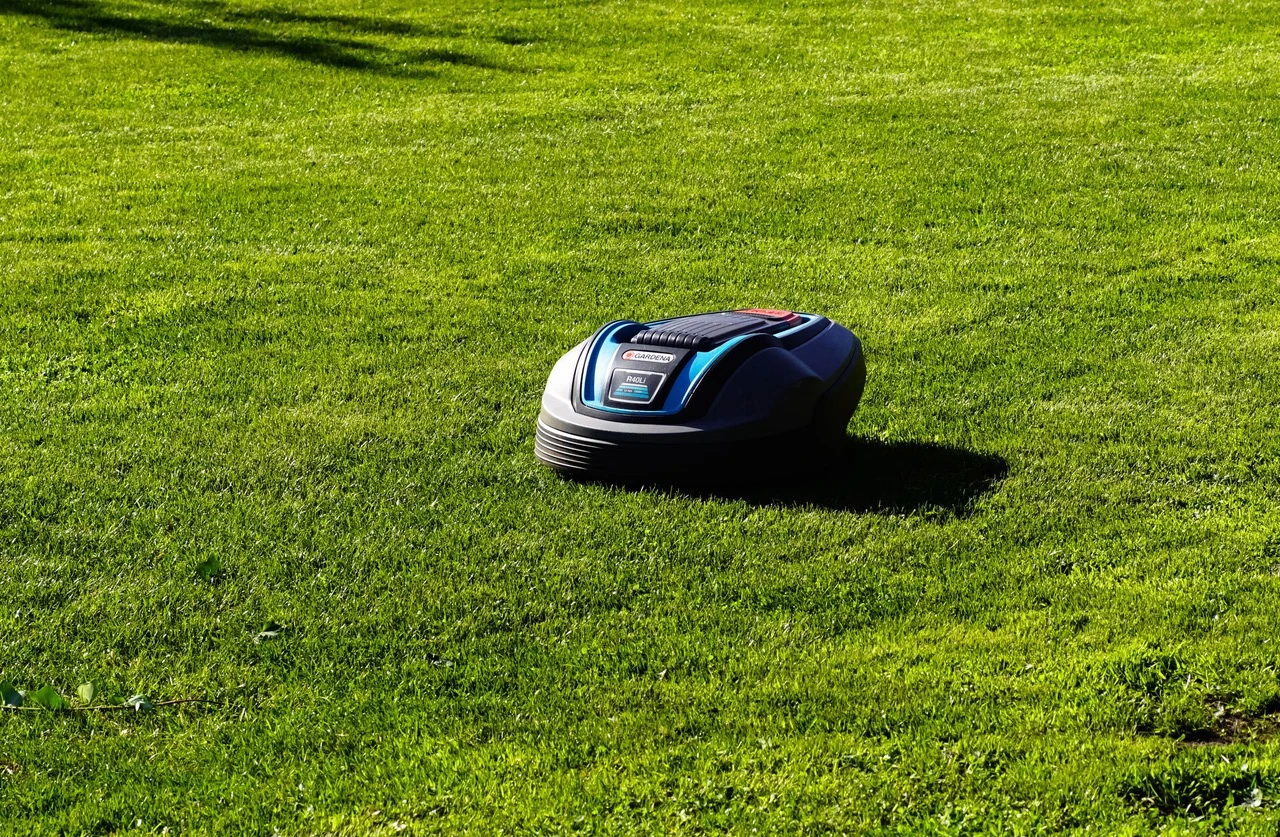
In recent years, lawn mowers have become a daily helper for many homeowners. A device that keeps the lawn in shape without constant time and effort fits well with the pace of modern life. However, alongside convenience, risks have also grown, which not all users may be aware of. Salva Insurance's claims practice shows that damages related to lawn mowers are no longer rare exceptions. Often the cause is not a technical failure of the device, but rather everyday situations where the robot moves in an environment that is not entirely predictable.
How do damages occur with lawn mowers?
The greatest advantage of a lawn mower is autonomous operation, which at the same time means movement in an environment where unexpected obstacles may arise. People, vehicles, and pets move in the garden, and conditions change both during the day and due to weather. One of the more frequently occurring insurance cases, according to Salva Insurance, is a situation where the robot ends up in a car's trajectory or drives under a parked car. Since the device moves quietly, its location may not always be noticeable. Risks can also arise if the robot gets close to bodies of water or if there are objects in the garden that don't belong to the robot's typical movement environment. Weather conditions also play an important role. Strong winds and storms can quickly make the environment dangerous, and thunderstorms can damage not only the lawn mower but also other household devices.
What should you think about before using a robot?
Safe use of a lawn mower starts with the work environment. A well-planned garden helps prevent most of the possible damages. It is important that the robot's work area is clearly defined and free from dangerous locations and objects. It's also worth thinking about the location of bodies of water, slopes, and other risk areas, and if necessary, separating them from the robot's movement.
The location of the charging station also matters – it should be located in a protected place, away from traffic paths, and preferably under a roof to reduce both weather and accidental collision risks.
Special attention is required when using a lawn mower at a country house where the owner is not present daily. In such cases, the risk increases that changes in the garden go unnoticed and the device operates in conditions for which it is not prepared. "In such situations, risks can be reduced by monitoring the robot's operation and location remotely using smart solutions if possible, scheduling work time for periods when the environment is more stable, and regularly checking both the device and its work area. A trusted neighbor or relative who can help shelter the device from rain or storms can also be practically useful," said Kaspar Lillmaa, product manager at Salva Insurance.
Conscious use helps prevent damage
A lawn mower is a convenient and time-saving solution, but like any independently operating device, it requires conscious use. Most damages are related to everyday situations and the environment, not the device itself. The better the garden and usage habits are adapted to the robot, the smaller the risk of unexpected damage.
A robotic mower should be serviced in the fall, after the mowing season ends. Mower maintenance includes cleaning, software updates, checking moving parts, testing functions, replacing cutting blades, and changing seals at regular intervals. "Since a robotic mower can travel several thousand kilometers per year depending on the model, everything that moves also wears, and regular maintenance extends the machine's life and helps prevent unpleasant breakdowns in the middle of the mowing season," noted Paap Raid, expert at Mehka OÜ.
Remember these tips for lawn mower owners
Correct installation is key: check that the boundary fence or cable is intact and properly installed. The charging station should be kept dry and protected, away from traffic paths.
Make sure the work area is clearly defined: this way the robot won't get close to bodies of water or other dangerous places.
Maintenance should be regular: regularly check the robot's condition, blades, and cables. Major maintenance is best done in the fall, not at the beginning of the season.
Look under the car before driving: a lawn mower can remain unnoticed near or under a car. A simple habit of checking before driving helps avoid unpleasant accidents. Try not to use the robot's work area for parking.
Take the weather forecast seriously: during thunder and heavy storms, it's best to temporarily shut off the device and disconnect it from the power grid.
Pause the robot when there's work or play in the yard: if you're doing construction or gardening work outdoors or children are playing in the yard, it's best to pause the robot temporarily. This way you avoid a situation where there are loose objects in the garden that could obstruct the robot's movement.
Create a support network at a country house: in case of a longer absence, it may be wise to temporarily stop the robot's operation, set a more limited work schedule, or ask a neighbor to shelter the mower from rain or storms.
Use smart solutions if possible: many robots have GPS or apps that help monitor the robot's location and operation from a distance. This way you can get notifications about obstacles or malfunctions.
Review your home insurance policy: in addition to the building, you should also insure household items. And to ensure that damages caused by lightning or power surges are also covered, you should always choose full risk protection with your home insurance policy, which has broader coverage than selected risk protection.
Store the robot and charging station in a dry room for the winter: this prevents electronics from being damaged by moisture.
Search
Keywords
Most read articles
- Price per Square Meter of Apartments in Tallinn in 2025

- Apartment Market in Early 2026: Prices Rising, Transaction Activity Remains Modest

- Apartment Market in Early 2026: Prices Rise, Transaction Activity Remains Modest
- Estonian Apartment Prices and Market Expectations in 2025

- Notary Fee and State Fee – Who Pays and How Much?