COMPREHENSIVE OVERVIEW: How Interest Rate Increases Affect Loan Payments
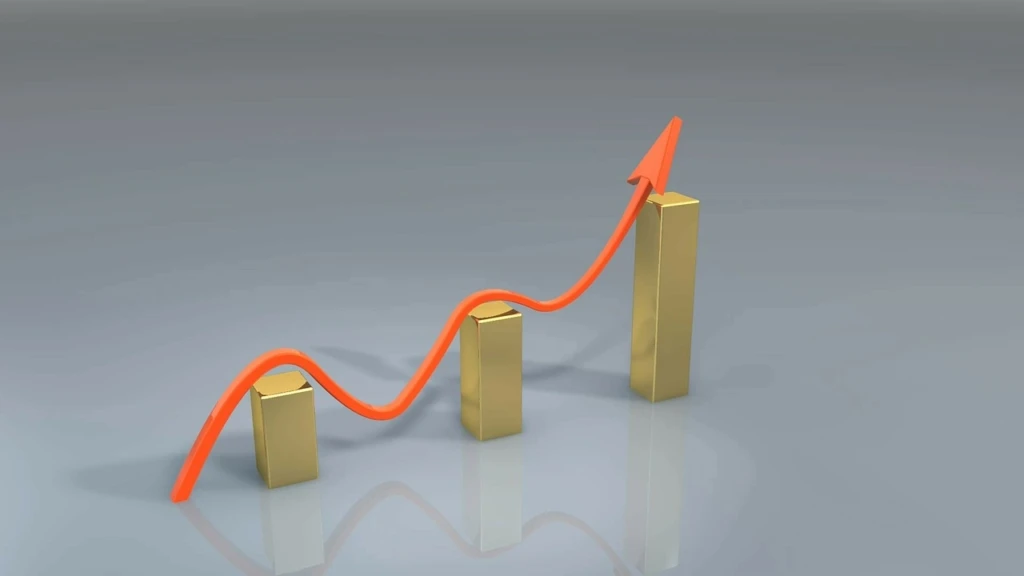
Low loan payments have spoiled real estate buyers, but in reality it's worth considering that Euribor won't remain negative forever.
Peep Sooman, a board member of Pindi Kinnisvara, said that interest costs are divided into two parts – one is the bank margin fixed in the loan agreement, and the other is the floating Euribor, which stems from interbank money transfers between major banks. "Euribor has been negative for a long time and this has created a misconception that borrowing money will remain cheap. Unfortunately, that's not the case, and historically a 5-percent Euribor is not unprecedented, which would send today's loan monthly payments soaring," he said.
Sooman added that although extremely sharp increases are not expected on interest markets, it would still be wise to account for a few percent growth in Euribor in the coming years.
Table: Monthly payment for a 25-year residential loan (bank margin 2.5%)
| Loan amount | 10 000 € | 50 000 € | 100 000 € |
| Euribor 0% | 44,86 | 224,31 | 448,62 |
| Euribor 1% | 50,06 | 250,31 | 500,62 |
| Euribor 2% | 55,58 | 277,92 | 555,83 |
| Euribor 3% | 61,41 | 307,04 | 614,09 |
| Euribor 4% | 67,52 | 337,6 | 675,21 |
| Euribor 5% | 73,9 | 369,5 | 738,99 |
Search
Keywords
Most read articles
- Price per Square Meter of Apartments in Tallinn in 2025

- Apartment Market in Early 2026: Prices Rising, Transaction Activity Remains Modest

- Apartment Market in Early 2026: Prices Rise, Transaction Activity Remains Modest
- Estonian Apartment Prices and Market Expectations in 2025
- Notary Fee and State Fee – Who Pays and How Much?