Milder Energy Efficiency Requirements Effective from Early 2019
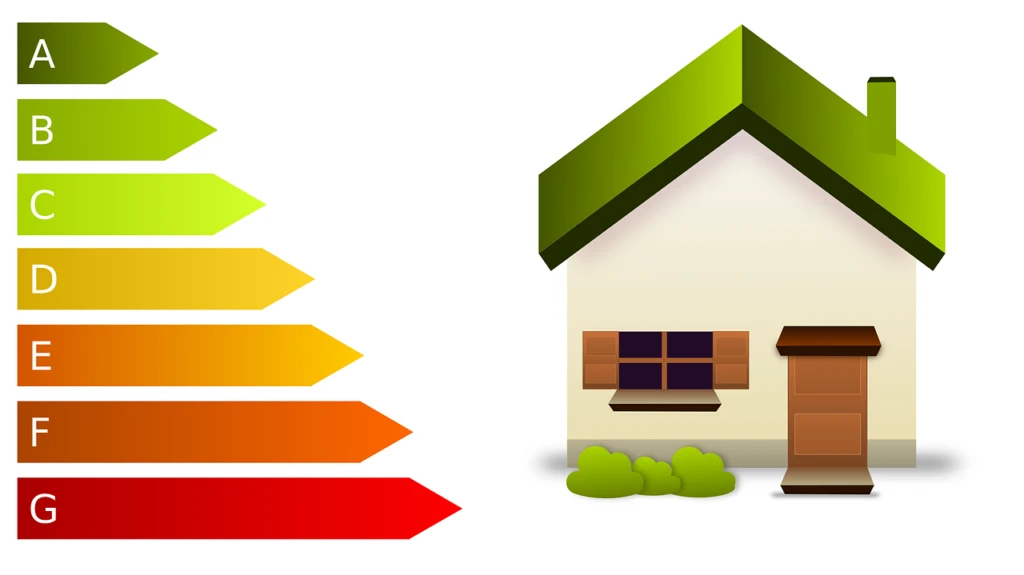
Starting from the beginning of 2019, new energy efficiency requirements apply to single-family homes. The minimum level for an energy-efficient building is C-energy class for significant renovation of existing buildings and B-energy class for the construction of new buildings. For the first time, the regulation also establishes exceptions applicable to near-zero-energy building requirements.
„In order for building an energy-efficient home to be a sensible choice for the owner, the minimum energy efficiency requirements for buildings must be set in such a way that their implementation is realistic. Limiting energy losses in the housing stock is very important, but to achieve results, we must also take into account real conditions, which is why the minimum levels have been relaxed compared to the plan issued in 2013. This ensures the building owner the best ratio of initial investment to operating costs over the building's intended service life, and in this way we can boost the construction of energy-efficient buildings," explained Enterprise and Information Technology Minister Rene Tammist.

The regulation by the Enterprise and Information Technology Minister establishes exceptions to near-zero-energy building requirements for the first time. The achievement of near-zero-energy building level is not required if the installation of local renewable energy solutions is not economically justified or technically feasible.
The near-zero-energy building requirement also does not apply to small houses with a heated floor area of up to 220 square meters. For small houses, the implementation of the near-zero-energy building requirement is postponed. Log houses continue to be subject to requirements with mitigating coefficients, both for the construction of new buildings and for significant renovation of existing buildings.
Article source: Kinnisvarauudised.ee
Search
Keywords
Most read articles
- Price per Square Meter of Apartments in Tallinn in 2025

- Apartment Market in Early 2026: Prices Rising, Transaction Activity Remains Modest

- Apartment Market in Early 2026: Prices Rise, Transaction Activity Remains Modest
- Estonian Apartment Prices and Market Expectations in 2025
- Notary Fee and State Fee – Who Pays and How Much?