7 Things to Check Before You Buy an Apartment at the Ball
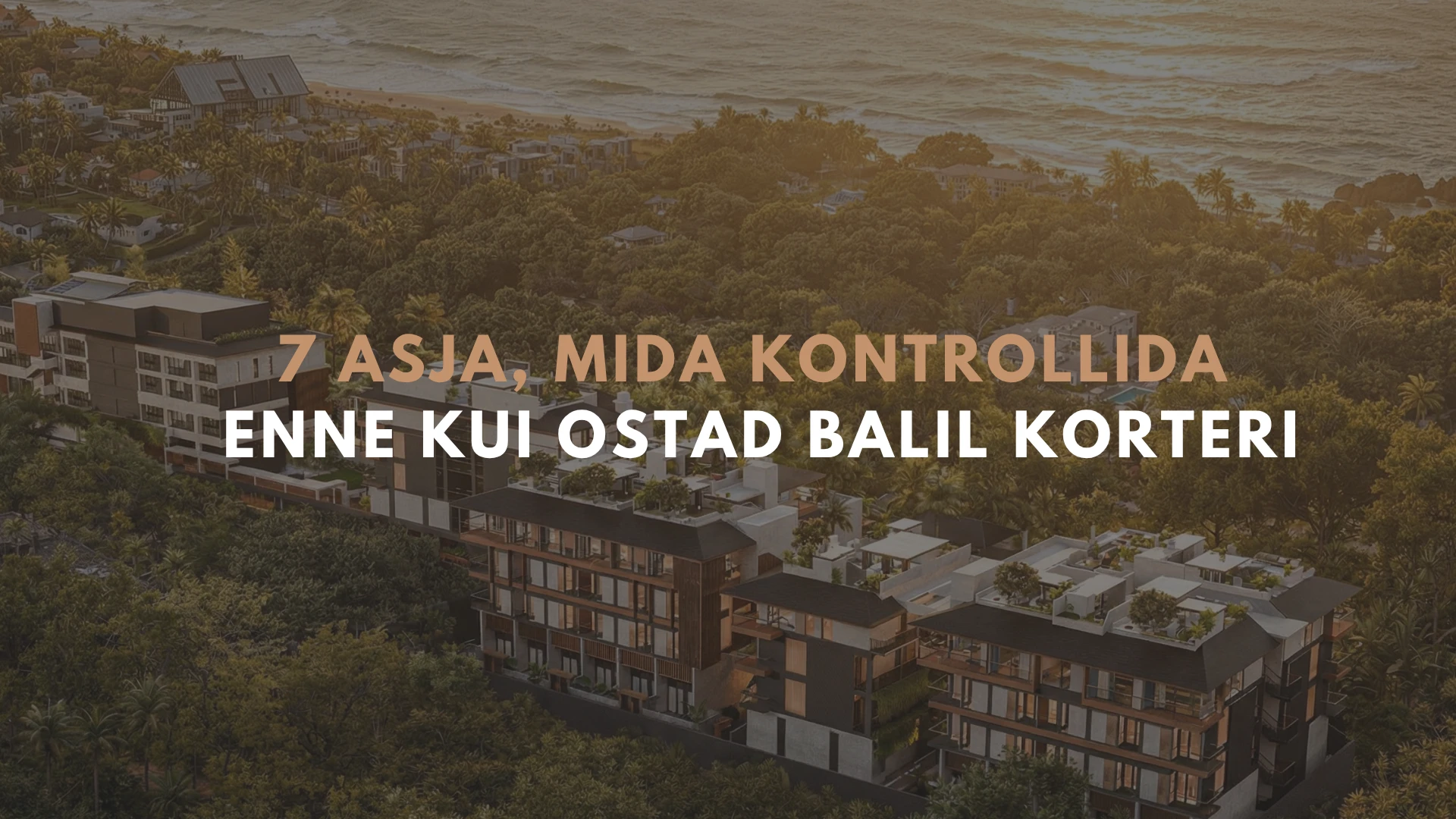
There are checklists for buying villas. There are checklists for buying land. But for buying an apartment in Bali? Nothing.
Nobody has written a proper, practical guide to buying apartments in Bali - until now!
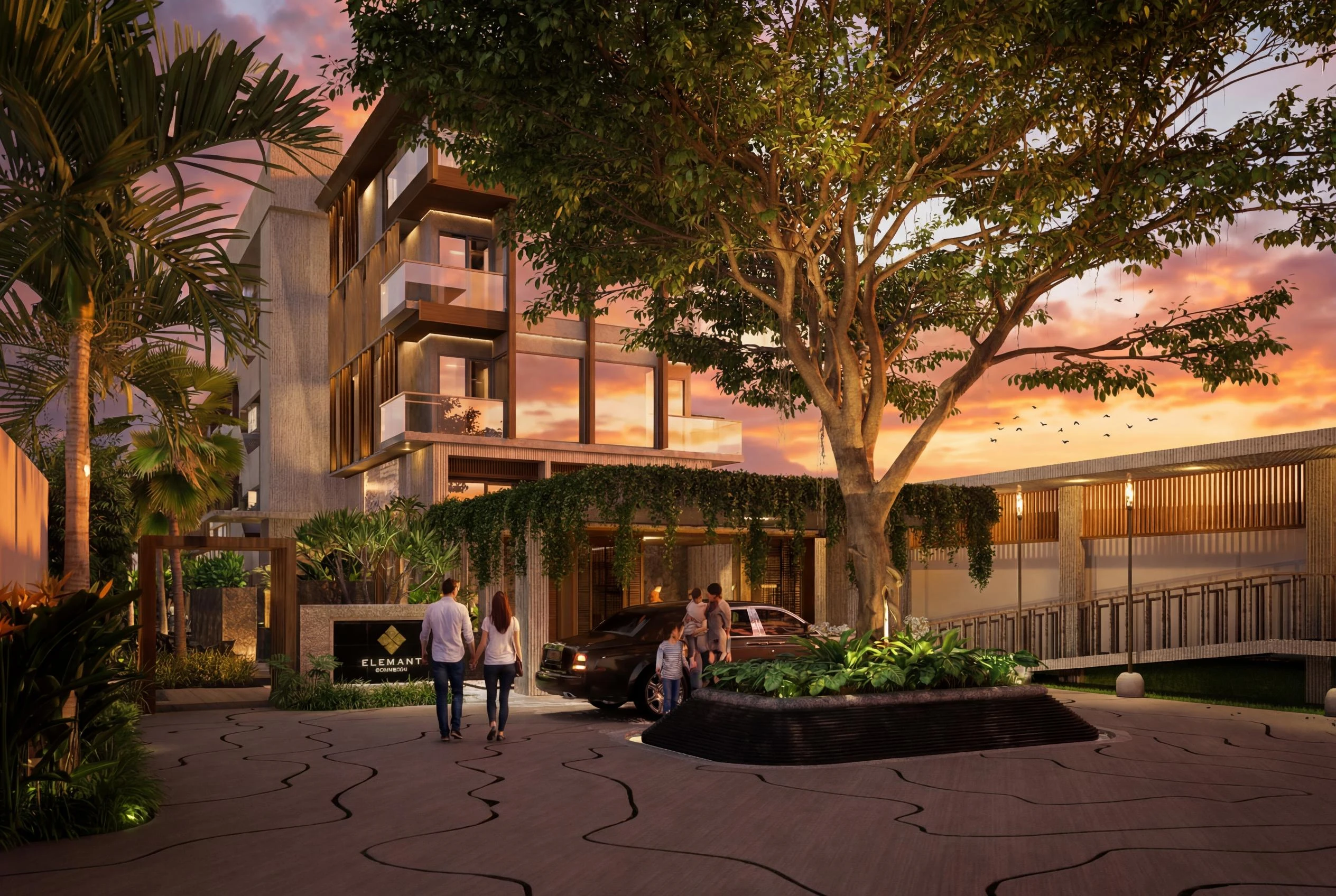
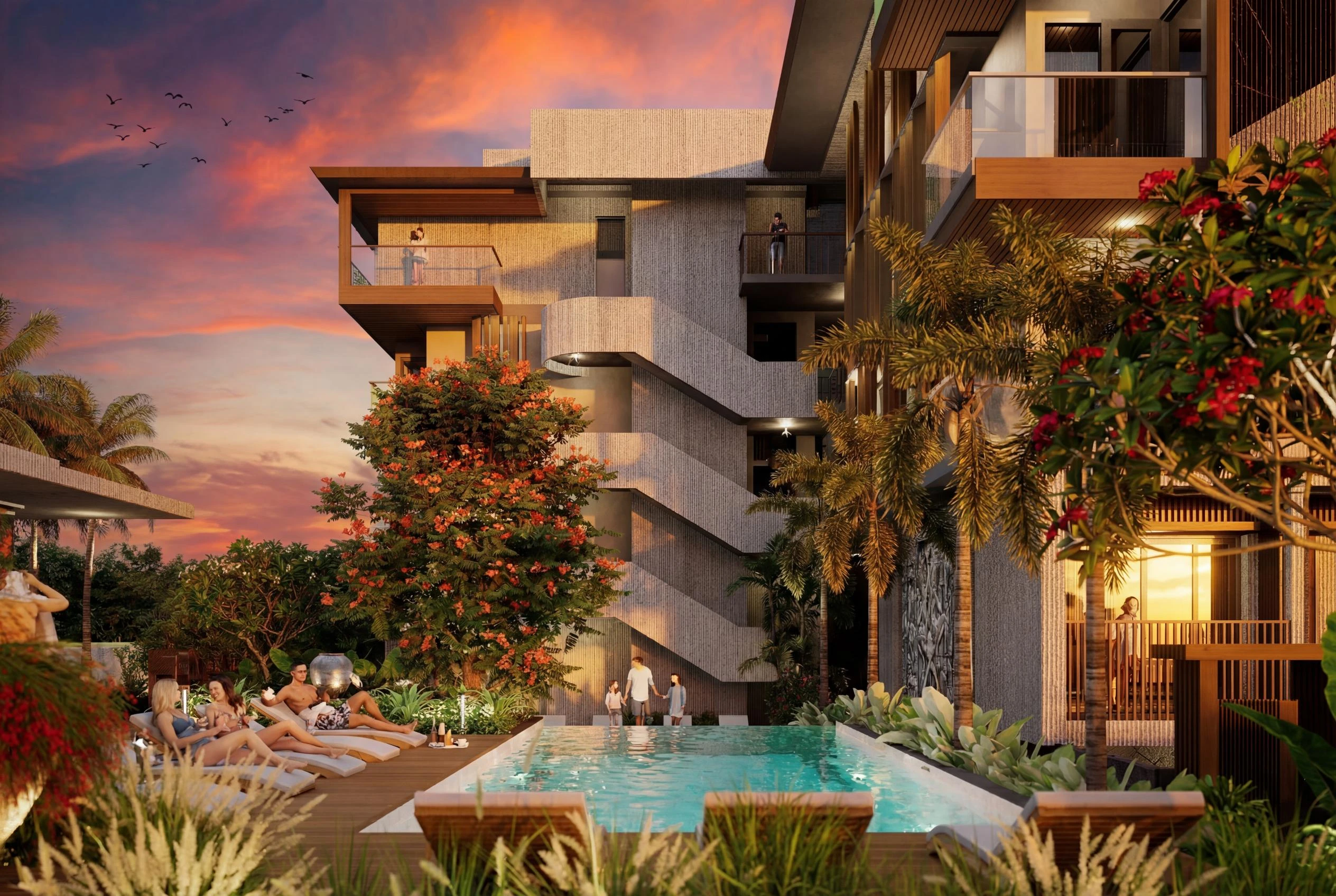
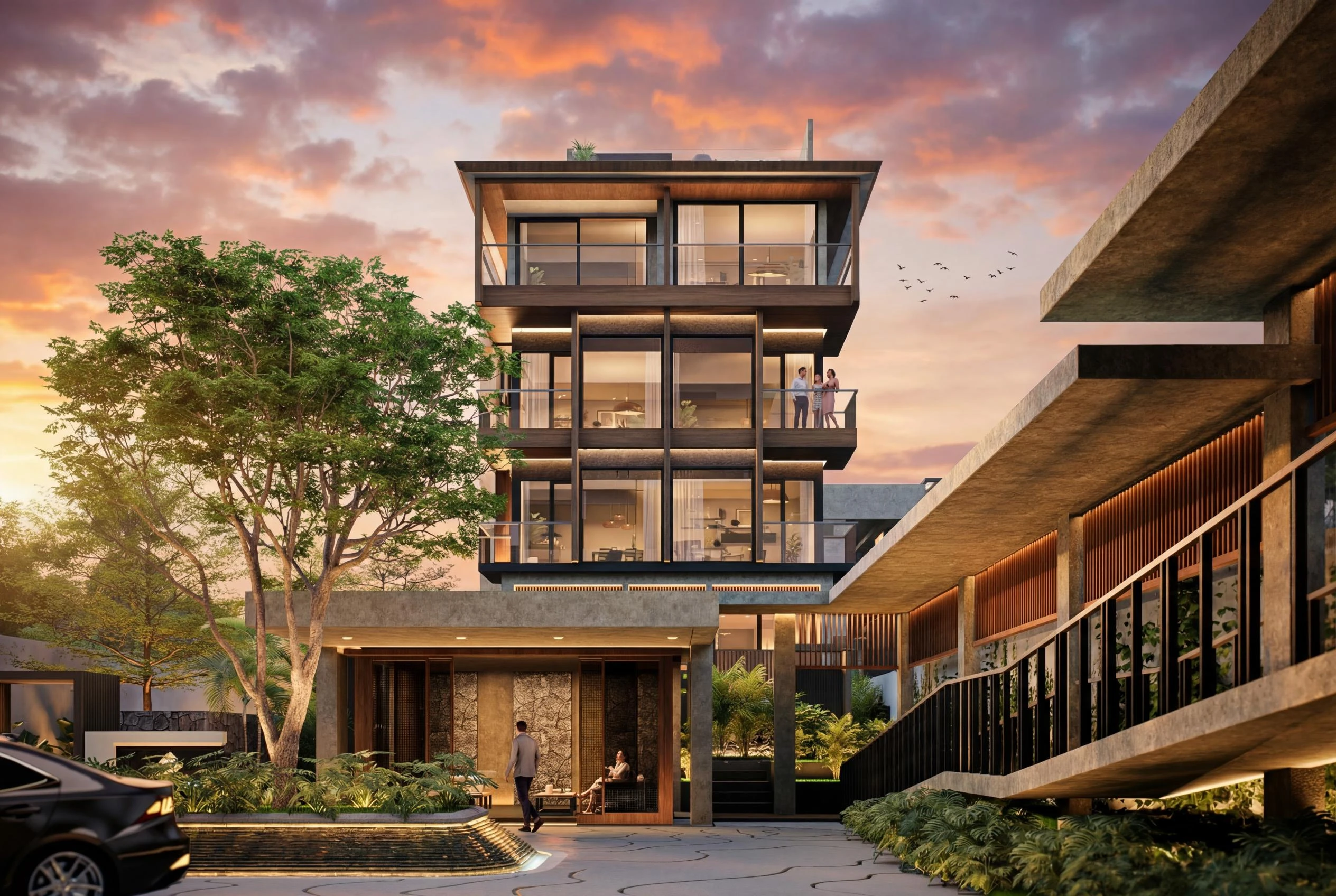
Our team spent nearly two years in preparation before we started Element Residence Bali construction and sales. It is a development project with 107 apartments and over 3000 m2 of commercial space. And in one of Bali's most desirable locations, 500 meters from the ocean, on Nelayan Street in the heart of Canggu.
Every point on this list is based on real experience.
From meetings with investors, legal reviews, regulatory requirements analysis, partner assessments, and hundreds of conversations with buyers who asked the right and thorough questions.
Apartments differ from villas more than it first appears. Behind them are different legal solutions, more parties involved, more preparation, and more nuances to understand. Yet nobody has created a clear framework to assess these projects.
This is the checklist I would have wanted to have when we started.
I hope it reaches the people who truly benefit from it.
In a recent KV24 article, we discussed the development project in more detail: https://kinnisvara24.ee/blogi/balil-raagivad-partnerid-rohkem-kui-turundus
BALI REAL ESTATE MARKET OVERVIEW
The Bali real estate market is becoming more mature, transparent, and secure each year.
Indonesia's 2025–2026 legislative changes have fundamentally altered the rules for foreign investment. For example, all rental listings must now be fully compliant through a digital control system (OSS), otherwise they face removal from major platforms like Airbnb, Agoda, and Booking.com.
For investors planning to invest in apartments, this is actually good news. Compliant projects with PBG (building permit), KKPR (zoning confirmation) and operating licenses now have a clear structural advantage. Unlicensed competition is being pushed out of the market.
Meanwhile, rental demand in Canggu continues to exceed supply.
According to AirDNA data, well-managed properties in the best areas of Canggu consistently achieve 65–85% annual occupancy, which is significantly above the market average. And if you look at Nelayan Street specifically, it is consistently 80%+. And the flow of digital nomads to the island shows no signs of slowing. But alongside all this, there is an even stronger signal in the market worth paying attention to - institutional operators are entering the market. When international hotel chains start managing apartment buildings in Canggu, that's worth noting. This is not speculation - it is strategic confirmation of demand.
7 checkpoints for a successful investment
We have divided them into 7 categories. All of them are important. If you skip any of them, you are not investing - you are speculating.
CATEGORY 1: LEGAL BASIS
Documentation is where 80% of deals go wrong.
Confirm the type of ownership, rights and obligations. Leasehold, co-ownership or some alternative structure - know exactly what you're buying, what rights come with it, and what your obligations are as an owner.
Check the KKPR (zoning confirmation). This is the most important document in any Bali real estate transaction. KKPR confirms that the land is legally zoned for its intended use - tourism, residential, commercial. Without KKPR, you cannot legally issue a building permit or operating license. Period.
Check the PBG (building permit). This must be issued before construction begins, not be pending or only in application status. Ask the developer for the PBG document so your lawyer can review and confirm it.
Confirm the SLF (building usage permission certificate). This is a post-construction certificate that confirms the building meets safety and design requirements. Without SLF, the building cannot technically operate legally.
Review the leasehold agreement structure and duration. Most Bali apartments are sold under a leasehold agreement, typically for 25–30 years with the right to extend. Read the actual extension clause. Is it pre-signed and pre-paid?
What to avoid: The developer says "permits are pending" but has already started construction. If the PBG building permit does not exist before construction begins, neither does your legal protection.
What to avoid: The leasehold extension terms lack clarity. Is the extension already paid for and signed, or is it just a verbal agreement with the landowner? Ask for the main agreement where the extension terms are defined; these should transfer to you upon purchase. In the case of Element Residence Bali, it is a Leasehold ownership form in a zone that permits tourism activities (pink zone). This is a strong and correct foundation for the long-term success of the investment. The building permit and licenses were issued before construction began and the extension clause is confirmed in the agreement, giving the leasehold ownership a period of 30 + 20 years. The paid capital and KBLI codes correspond to large-scale hotel operation requirements.
CATEGORY 2: DEVELOPER
You are not just buying real estate. You are investing in people and systems.
Check track record. How many projects has this developer completed? Not started, but completed. Delivered. Projects that work. Ask for the addresses of completed projects and go see them.
Check the developer's corporate structure. Confirm the developer's company details. Do they have the required paid-up capital? Ask for the NIB (business registration number) and confirm that the KBLI codes (business activity code) correspond to the intended business operations.
Financial capability assessment. Can the developer actually deliver the project? Ask for evidence of project financing. Loans, investor commitments, or proof of self-financing. An undercapitalized developer is the biggest risk in Bali real estate.
A significant portion of developers rely on sales revenues to finance construction, which means that if sales slow down, your project does too. Apartment development is capital-intensive from day one. Make sure to confirm that the developer has purchased the land. This alone eliminates a significant financing risk.
-web.webp)
Check construction partner. Who will actually be building this? A developer without construction capability is a marketing company. Ask who the main contractor is. Check their background and previous completed projects.
Other project partners. Who else is involved? Who is the architect? Is there a third-party auditor monitoring construction quality and progress? Has the developer hired independent consultants for structural engineering, MEP, or project management? The more professional partners involved, the lower the risk of project problems.
What to avoid: The developer has only one project and that is the one they're selling to you. Be especially careful with first-time developers. Villas and houses are much simpler to manage than complex apartment projects. First-time developers fail more often than anyone wants to admit.
What to avoid: No physical office, no team photos, no ability to visit the site. If a developer has a WhatsApp number and an Instagram account, that is not a company. Meet their team in person. Go to their office. These visits tell you more than any brochure.
At Element Residence, we work with partners such as Pulau Intan, one of Indonesia's largest main contractors, whose portfolio includes completed hotels, apartment buildings, shopping centers, hospitals, and skyscrapers. This is a verifiable claim that you can research yourself. Additionally, the project includes one of Bali's renowned architects (ESA Architects), Simetris Consulting (supervision and control), and several other professional partners.
CATEGORY 3: BUILDING AND UNIT
Villa buyers knock on walls and check roofs. Apartment buyers need to dig deeper.
Building quality standards. Which building standards does the project follow? Indonesia SNI standards? International standards? Ask specifically about structural engineering, reinforcement, waterproofing, and MEP (mechanical, electrical, plumbing systems).
Unit specifications vs. marketing. Get the actual technical specification, not the brochure. Check the exact floor area, ceiling height, window solutions, finishes used, plumbing, and ventilation systems.
Quality of common areas. Lobbies, corridors, parking, elevators, pools, gyms - who pays for and manages these? What is the construction quality? Common areas are the first to deteriorate in poorly managed buildings.
Sound insulation between units. This is something nobody checks and everyone complains about later. Are apartment walls made of paper or is thoughtful soundproofing designed in?
Construction warranty. What does the developer guarantee after handover? Indonesia law requires a minimum defect liability period. Get this in writing. Know exactly what is covered and for how long.
Furniture and decoration package. Most Bali apartment investments are sold furnished. What does this exactly include? Ask for an FF&E (furniture, fixtures and equipment) list with manufacturer names and quantities. "Fully furnished" can mean anything from basic IKEA items to custom-designed interiors.
What to avoid: The developer cannot provide any technical specifications or material choices. Renderings are normal at early stages, and furniture and finish procurement often happens during construction. But you should still be able to see construction data, floor plans with exact measurements, and indicative FF&E guidelines. If the developer has nothing but renderings, ask yourself what they have actually planned.
CATEGORY 4: OPERATOR AND MANAGEMENT
Here, apartments diverge completely from villas. And here lies the biggest difference between investment success or failure.
Who is the operator or manager? Is there a professional hotel/apartment management company, or does the developer manage it themselves? Professional operators with proven experience in Bali real estate management are worth their management fees.
Management agreement terms. What is the management fee structure and how is it calculated? Some operators take a percentage of gross revenue, some of net, and some add fixed fees. Structures vary significantly. What is the contract duration? What are the termination conditions?
Rental Pool vs. individual rental. In a Rental Pool, revenues from all units are combined and distributed proportionally to owners. Individual rental means your unit earns what it earns. Each model has its trade-offs. Rental Pool provides more stable income and less hassle, individual rental gives you more direct control. Know which model you are investing in and ensure reporting matches it.
Guaranteed return structure (if offered). If the developer offers guaranteed returns, understand how it works. Ask: what backs the guarantee - assets, insurance, escrow, or operating revenues? Is the guaranteed amount already factored into the purchase price? What happens after the guarantee period ends? Well-structured guarantees have clear mechanisms behind them. Vague guarantees are just marketing tricks.
Reporting and transparency. How do you see your revenues and expenses? Monthly reports? Is there an online portal? What level of detail? Can you audit the accounting? Good operators welcome these questions. Bad ones sidestep them.
Maintenance and reserve fund. What is the monthly/annual maintenance and management cost? Is there a reserve fund for larger repairs? How is the fund managed? Who controls it? Poor reserve fund management is one of the biggest long-term investor risks in established markets.
OTA platform compliance. From 2026 onwards, all Bali rental listings must demonstrate full licensing compliance or risk removal from Airbnb, Booking.com, and other platforms.
If a professional management company operates the building, they should have the necessary tourism licenses - NIB, TDUP (tourism activity license), and CHSE certificate (cleanliness, health, safety, and environment - government certificate for tourism businesses). If the project is managed by the developer themselves, confirm these licenses directly.
What to avoid: An operator with no reporting structure or financial transparency. If you cannot see monthly revenue, cost breakdown, and occupancy data for your unit, you are investing blindly. Professional operators welcome scrutiny. Those who avoid it should worry you.
CATEGORY 5: FINANCIAL DUE DILIGENCE
Numbers don't lie. But they can be presented misleadingly.
Full acquisition cost breakdown. Purchase price is never the total cost. Depending on transaction structure, you may also need to account for: notary fees, legal costs, PT PMA (Indonesia foreign company) setup costs (if applicable), taxes, and any association or utility costs. Exact cost structure varies between leasehold and freehold transactions, so get a detailed breakdown from the developer and review it with your lawyer.
Projected net returns. Don't accept gross returns. Demand net accounting.
Gross rental income (based on realistic occupancy, not "95% year-round")
Minus: management fees, platform commissions, maintenance costs, insurance, property taxes (PBB), income tax (PPh), reserve fund
The remaining amount is your actual return. If the developer only shows you gross numbers, they're hiding the real picture.
Occupancy assumptions. What occupancy percentage is the forecast based on? Well-managed apartments in Bali's best locations realistically achieve 65–85% average annual occupancy (higher in high season, lower in low season). Any forecast showing 90%+ year-round is fantasy.
ADR (Average Daily Rate) validation. Check current Airbnb/Booking.com prices for comparable units in the same or similar area. Not the developer's projections, but actual live listings. What price are similar units renting for today? This is your reality check.
Exit strategy modeling. Every great investment starts with the end in mind. How will you sell this unit in 5, 10, or 15 years? Who is the buyer? How does the remaining leasehold period affect resale value?
What are your options: resale, subletting, operator buyback, or holding for income? A good investment has at least 2–3 viable exit paths clearly mapped out before you sign.
What to avoid: Financial forecasts that only show best-case scenario results without alternative scenario analysis. If the developer hasn't modeled what happens at 60% occupancy or with 20% lower ADR, they haven't done serious financial planning.
CATEGORY 6: LOCATION AND MARKET POSITIONING
Not all Bali apartments are created equal. And not every location suits apartments.
Micro-location analysis. Even within one area like Canggu, there are several different micro-markets. Proximity to beach creates different ADR than location next to rice fields. Each micro-location attracts different guest profiles and generates different returns. Know where you are buying and whether pricing reflects that reality.
Competitive analysis. How many similar projects are within a 1-kilometer radius? What are they asking? What are their occupancy rates? That is your competition. If 3 similar projects launch in the same area, your projected returns may not hold.
Infrastructure and access. Road quality, traffic, distance to beach, restaurants, shops, hospitals. Walk the routes a guest would walk. Drive during peak hours. Understand the strengths and weaknesses of your area.
-web.webp)
Awareness of future development. What is planned for nearby areas? A new hotel can bring traffic. A nightclub can destroy your quiet premium positioning. Ask the local banjar (village council) about planned developments. This is information you only get by being on the ground.
Target guest profile and unit-market fit. Who will actually stay in your unit?
Digital nomads need wifi and a desk. Couples need romance and quiet. Families need space and safety. Surfers need a board locker and beach access. Unit design, amenities, and marketing should match a clear guest avatar.
CATEGORY 7: PURCHASE PROCESS
Independent legal review. Hire your own lawyer, not a partner recommended by the developer. Your lawyer should review all documents before you sign. This costs $1,000–3,000 and can save you major financial losses down the road.
Payment structure. Never pay the full amount upfront.
The typical Bali structure is: reservation fee (for due diligence and price lock), first payment, then staged payments tied to construction milestones, and final payment at handover. Get the payment schedule in writing before committing and make sure milestones are tied to actual results, not arbitrary dates.
Handover conditions. What must be completed before unit acceptance? Get a specific defects list. Inspect personally or hire someone to inspect on your behalf before signing the handover deed.
-web.webp)
Post-purchase tax obligations. You owe annual PBB (property tax) and rental income is taxed. Tax treatment depends on your ownership structure and how the property is managed.
Hotel-operated apartments may be taxed differently from self-managed property. Tax rates also depend on whether you own through a PT PMA, Hak Pakai, or other ownership structure. Understand your full tax obligation before buying, not after. Consult with a local tax specialist who understands both Indonesia tax law and your home country obligations.
Insurance. Building insurance (usually covered by building management), contents insurance (your responsibility), and liability insurance (if renting to guests). Don't skip this.
SUMMARY
Buying an apartment in Bali is not the same as buying a villa.
It is not harder. It is not simpler. It is different.
The legal structure, dependence on management, income models, exit strategy - all of it is different. And until now, no one had written a proper guide that accounts for those differences.
This guide does.
Print it out. Use it. Share it with everyone considering investing in apartments in Bali.
Download the Bali apartment investment checklist as a PDF (with rating system): 7 THINGS TO CHECK BEFORE BUYING AN APARTMENT IN BALI
Or if you want to see what a project looks like that passes every single point on this checklist, book a call to explore Element Residence project:
https://calendly.com/investlandbali/element-residence-bali-strategy-call
Kristjan Ploompuu Founder, Investland Group WhatsApp: +372 5683 2434 [email protected] elementbali.com/ investlandbali.com
Search
Keywords
Most read articles
- Price per Square Meter of Apartments in Tallinn in 2025

- Apartment Market in Early 2026: Prices Rising, Transaction Activity Remains Modest

- Apartment Market in Early 2026: Prices Rise, Transaction Activity Remains Modest
- Estonian Apartment Prices and Market Expectations in 2025
- Notary Fee and State Fee – Who Pays and How Much?