7 Interior Design Trends for 2023
The world is constantly changing and with it, our choices and preferences in designing our perfect home are changing too. Sustainability and healthy lifestyles are increasingly gaining attention, which is why we can expect more design solutions this year that emphasize the connection with nature.
Here are 7 ways to bring more nature into your home.
Nature-inspired materials take the lead
People are part of nature and we feel a connection with it. When you add natural materials to your home environment, it strengthens our mental health and creates a better sense of well-being.
Homeowners and interior designers are increasingly choosing to use interior design elements and lifestyle solutions that are respectful of nature. For example, plastic use is being reduced in everyday life and at home, and instead of fashion products that end up in landfills, long-lasting design solutions and sustainable materials are preferred, especially wood.
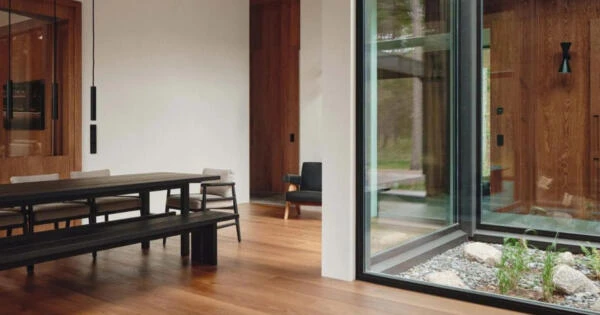
Thermory flooring board, thermo ash F5-2 / Interior architect: Hanna Karits / Photo: Tõnu Tunnel
Textured surfaces come into focus
We have five senses and the sense of touch is often left in the background. We certainly want our home to look good, but how often do we pay attention to how it feels to the touch? Whether it's sitting on the living room floor playing with children or absentmindedly running your fingers across the kitchen countertop – we are in constant physical contact with our environment, which means the sense of touch should not be forgotten.
We have the opportunity to explore this connection through textured wall surfaces, warm and fluffy carpets, embossed wallpapers, and organic materials that allow us to enjoy nature in all its imperfect glory.
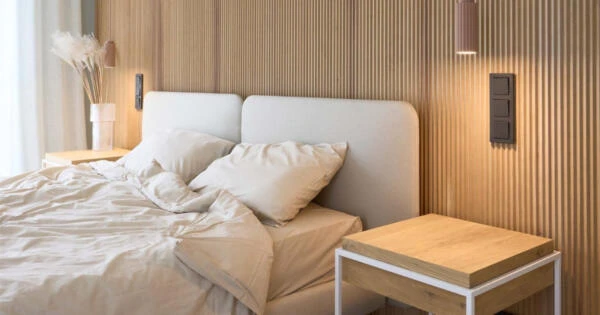
Thermory Motion wall panel VIRE, thermo aspen / Interior architect: Kadi Jair / Photo: Karl Kasepõld
The boundary between room and outdoors becomes blurred
Spending time in fresh air is refreshing and many homeowners are looking for ways to extend their living spaces beyond the house. One option is to turn your backyard into a relaxing oasis where you can comfortably spend time on a spacious terrace.
This trend can also be developed in the opposite direction. Increasingly, indoor environments feature unique outdoor and natural elements, such as brick walls, houseplants, and herb pots. All of this brings us closer to nature indoors and creates the feeling that we are in our own home in the midst of nature.
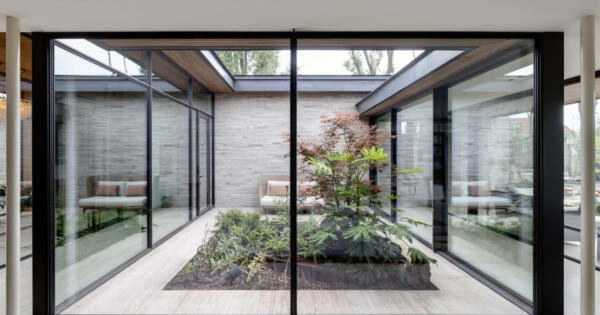
Private house / Architect: BNLA architecten / Photo: Jurrit van der Waal
Natural wood tones as a design element
Painting gives wood a uniform tone and texture. If that is your goal, then a painted surface is an excellent choice, but more varied finishing solutions make the entire room visually more interesting.
Natural wood has slightly different colors and textures, and you can see knots and cracks in it. There are no two identical cladding boards and to a large extent this is what makes wood special.
Wood comes in all possible tones in nature and there is likely some type of wood that will suit your home perfectly. For example, thermo ash and red oak catch the eye with darker chocolate tones. Lighter alder and aspen help bring light into interior design. If you prefer something in between, you should consider, for example, thermo pine with a golden-brown tone or thermo spruce.
Biophilic design in interior design
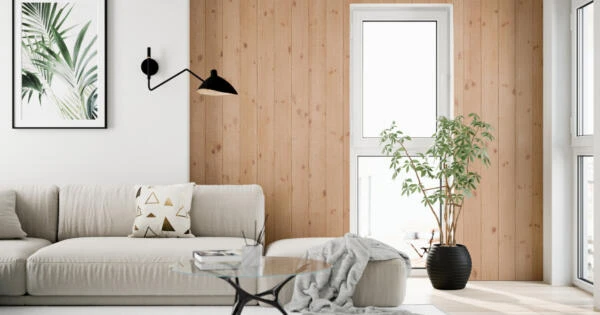
In architecture, it is possible to use various design principles based on biophilia to increase people's well-being. Biophilic design strengthens the relationship between people and their environment by using light and space, living plants, functional elements that make a space more intuitive and pleasant, and natural forms, patterns, and materials. When you think about those human-made places where you tend to feel most comfortable, many of the elements there are likely based on the principles of biophilic design.
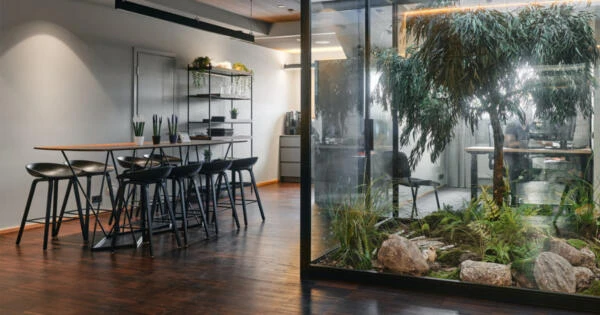
Thermory Reola office / Interior architect: Külli Salum / Photo: Tõnu Tunnel
Wood in wet rooms
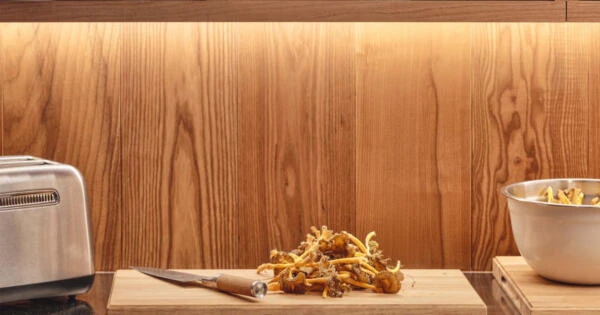
Using a naturally water-absorbing material, such as wood, in wet rooms and kitchens may at first seem contradictory. With the right choice of material and treatment, however, there are no problems with this.
Wood surfaces in the kitchen or bathroom add natural character to the space and create opportunities to use a variety of additional design solutions both on their own and together with more traditional materials, such as granite, painted walls, and ceramic tiles.
Wood panels – or mosaic tiles, such as Thermory Decor – can be used as an alternative to ceramics or in combination with ceramic tiles to create pleasing color and texture accents.
Home as a wellness oasis
Mindfulness and other health and wellness-promoting practices are gaining popularity around the world and this is increasingly reflected in the choices we make in designing our homes. For many, home is a place of peace and refuge to escape the stress of the outside world. People modify their homes to be functional for them, using carefully selected materials and interior design elements that blend harmoniously with light, space, and sound to create an ideal living environment or opportunities for important daily rituals, such as meditation and spa rooms, which also include saunas, steam rooms, pools, and gyms.
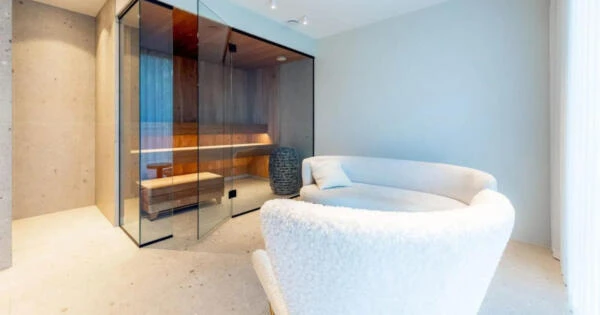
Private sauna / Interior architect: Johanna-Lisete Alling / Photo: Elvo Jakobson
Thermal treatment is a chemical-free wood enhancement process in which wood is treated with heat and steam. As a result of thermal treatment, the wood's ability to absorb moisture and its moisture uptake rate are reduced, which means the wood remains more dimensionally stable and swells and shrinks much less in outdoor conditions. Also, the biological durability of the wood increases, as the nutrients found in the wood become less accessible to wood-damaging organisms and mold fungi during thermal treatment.
Thermory is one of the world's largest manufacturers of thermally treated wood and sauna materials. Thermory's goal is to create lasting value – to enrich the surrounding environment with sustainable products made from authentic wood, to reduce the footprint of its activities, and to remain continuously innovative and developing.
Learn more at https://thermory.com/et/
Search
Keywords
Most read articles
- Price per Square Meter of Apartments in Tallinn in 2025

- Apartment Market in Early 2026: Prices Rising, Transaction Activity Remains Modest
- Apartment Market in Early 2026: Prices Rise, Transaction Activity Remains Modest
- Estonian Apartment Prices and Market Expectations in 2025
- Notary Fee and State Fee – Who Pays and How Much?