Millal tasub sügisel lehti riisuda ja millal mitte?
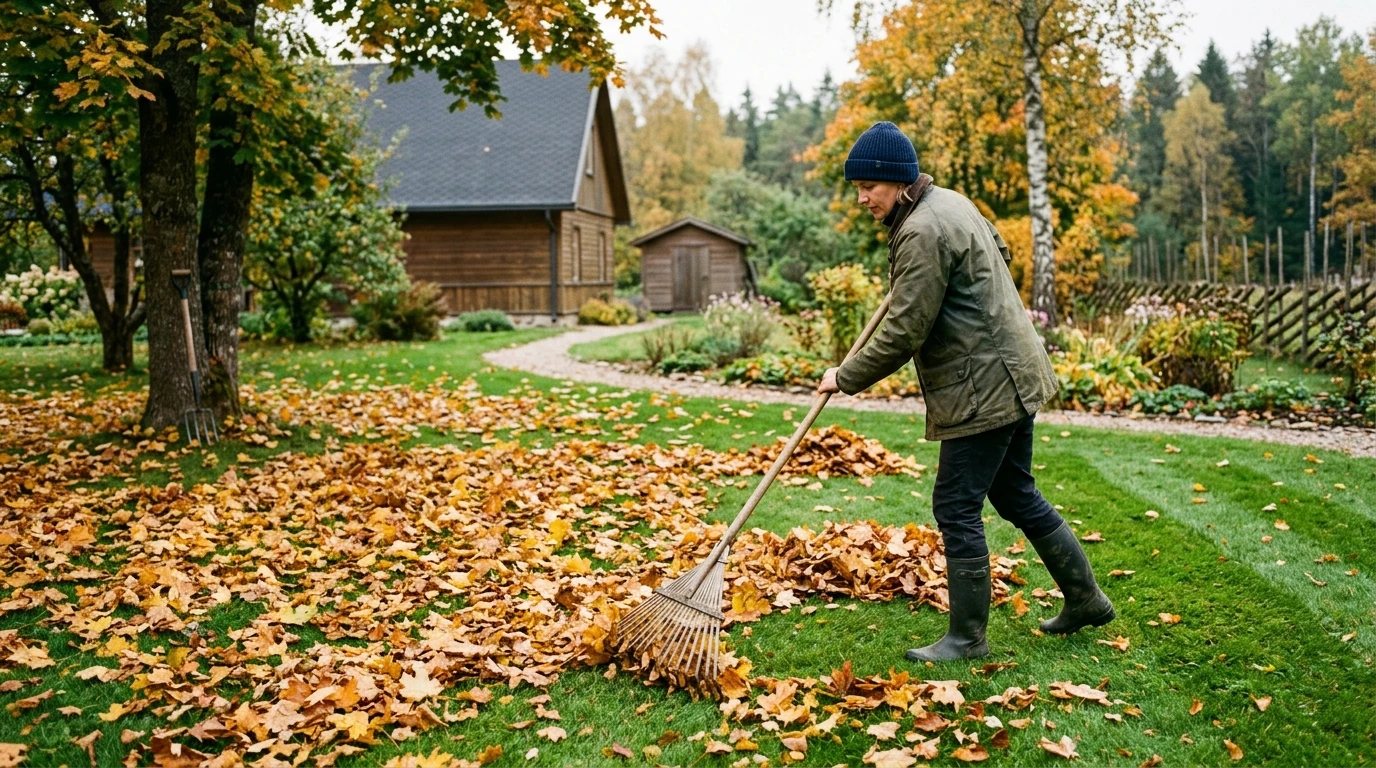
Kas sügisene leheriisumine on sinu jaoks iga-aastane paratamatu kohustus? Loodussõbralik aiahooldus näitab, et muru ja elustiku tervise huvides ei pea kõiki lehti kokku koguma. Õige tasakaalu leidmine säästab sinu aega ning muudab mulla oluliselt viljakamaks.
Millal on lehtede riisumine muru jaoks vajalik?
Sügiseste lehtede kokkukogumine on vajalik eelkõige siis, kui murule moodustub paks ja tihe lehevaip. Kui valgus ei pääse enam murulibledeni, hakkab muru niiskuse käes kahjustuma ning kevadel võivad sind ees oodata tühjad laikud ja taimehaigused. Selliste murede ennetamine tagab, et varajane kevadine aiakoristus möödub märgatavalt kergemalt ja kiiremalt.
Lisaks tasub lehed alati eemaldada käiguteedelt, hoovialadelt ja sadeveetrasside lähedusest. Märjad lehed muutuvad kõnniteedel libedaks ning äravoolusüsteemidesse sattudes võivad need ummistada kaevusid ning kanda veekogudesse liigseid toitaineid. Kohalike heakorrareeglite kohaselt tuleks aiajäätmeid käidelda oma kinnistul või anda need üle volitatud jäätmekäitlejale, hoidudes nende viimisest metsa alla, nagu paneb südamele ka Keskkonnaamet.
Millal võiks lehed hoopis maha jätta?
Õhuke ja kuiv lehekiht ei vaja reha, vaid hoopis muruniidukit. Kui sõidad niidukiga üle õhukese lehekihi, purunevad lehed väikestest tükkidest koosnevaks puruks, mis vajub hõlpsalt muruliblede vahele. Niimoodi purustatud lehed lagunevad kiiresti ja rikastavad mulda väärtuslike toitainetega, vähendades vajadust lisaväetiste järele, mida kinnitab oma juhistes Colorado State University Extension.
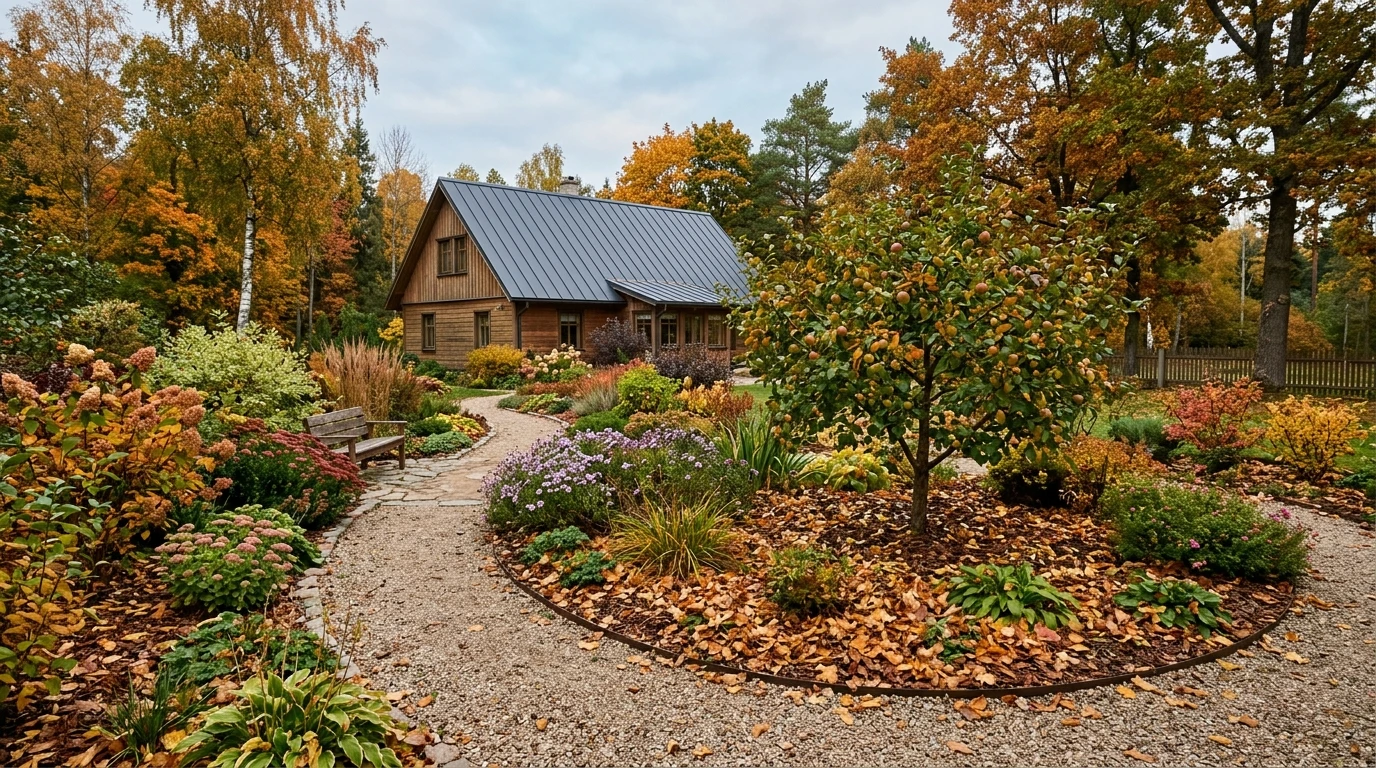
Peenardesse, viljapuude alla ning põõsastikesse jäetud lehed toimivad suurepärase loodusliku multšina. Need hoiavad mullas vajalikku niiskust, pärsivad umbrohu tärkamist ja kaitsevad taimejuuri külma eest. Nii püsivad elujõulised ja kaunid ka kohalikud dekoratiivsed põõsad igas hoolitsetud koduaias.
Kuidas sügisesi lehti aias nutikalt ära kasutada?
Kui lehti koguneb murult liiga palju, saab need suunata väärtusliku orgaanilise materjalina kompostihunnikusse. Segades sügisesed kuivad lehed ehk niinimetatud pruuni materjali lämmastikurikka rohelise materjali ja köögijäätmetega, lood ideaalsed tingimused kiireks ja lõhnatuks lagunemiseks.
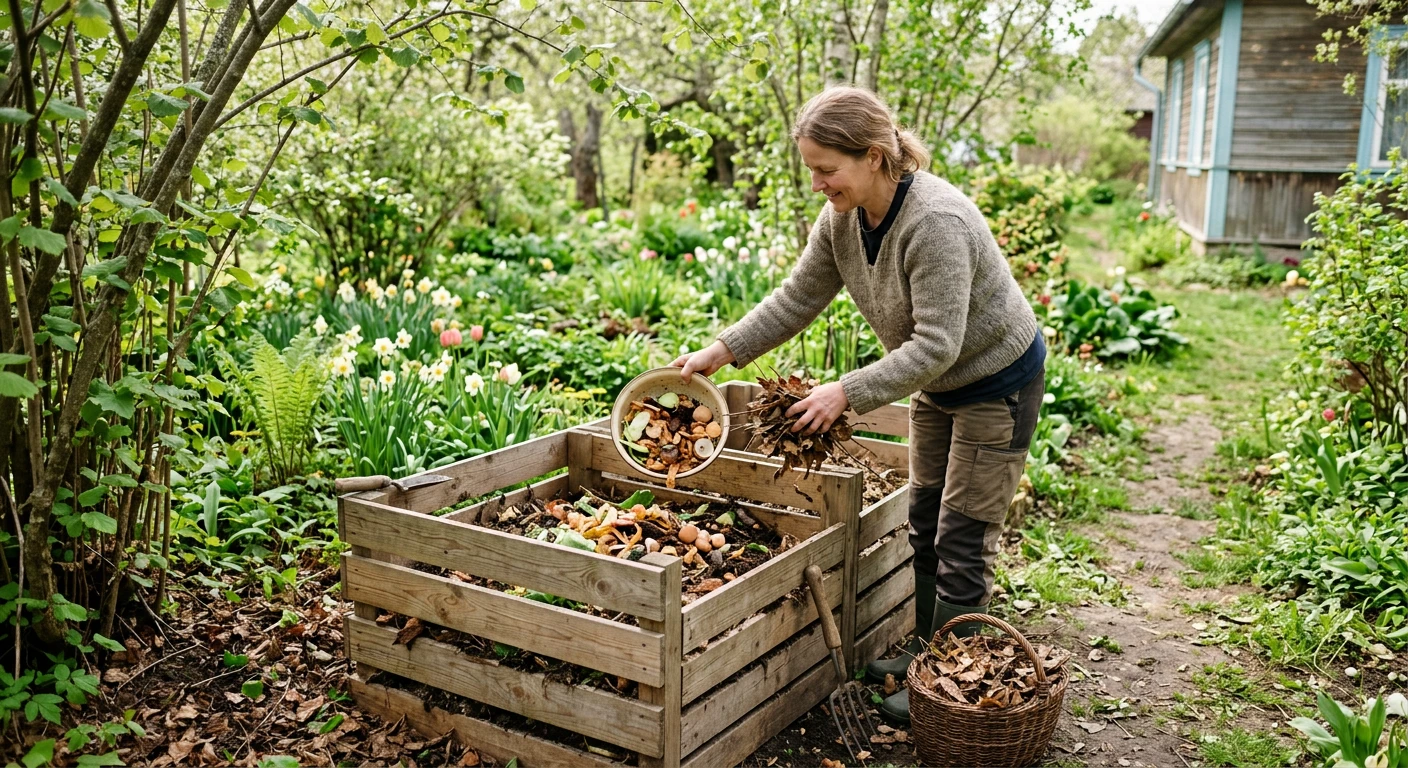
Aias tekkiva orgaanilise materjali kohapealne taaskasutus aitab vähendada majapidamise jäätmekoguseid ja loob järgmisteks hooaegadeks toitainetega rikastatud mulla. Praktilisi nõuandeid selle protsessi alustamiseks ja õige tasakaalu hoidmiseks leiad teemakohasest juhisest, kus selgitatakse, kuidas komposti tegemine kevadel paneb aluse terviklikule ja toimivale aiaökosüsteemile.
Nutikas aiahooldus suurendab kodu väärtust
Läbimõeldud ja loodussõbralik sügisene aiahooldus tagab elujõulise muru ning kaunilt kujundatud hooviala, mis pakub silmailu igal aastaajal. Hoolitsetud ja meeldiv aed on väärtuslik lisa igale kinnistule, tõstes kodu atraktiivsust ja turuväärtust. Kui otsid uut ja avarama aiaga kodu või soovid tutvuda Eesti kinnisvaraturu parimate pakkumistega, külasta Kinnisvara24 portaali ning leia oma unistuste kodu juba täna.