Ekspert soovitab: Kuidas osta kodu paberilt – on see risk või hoopis võimalus?
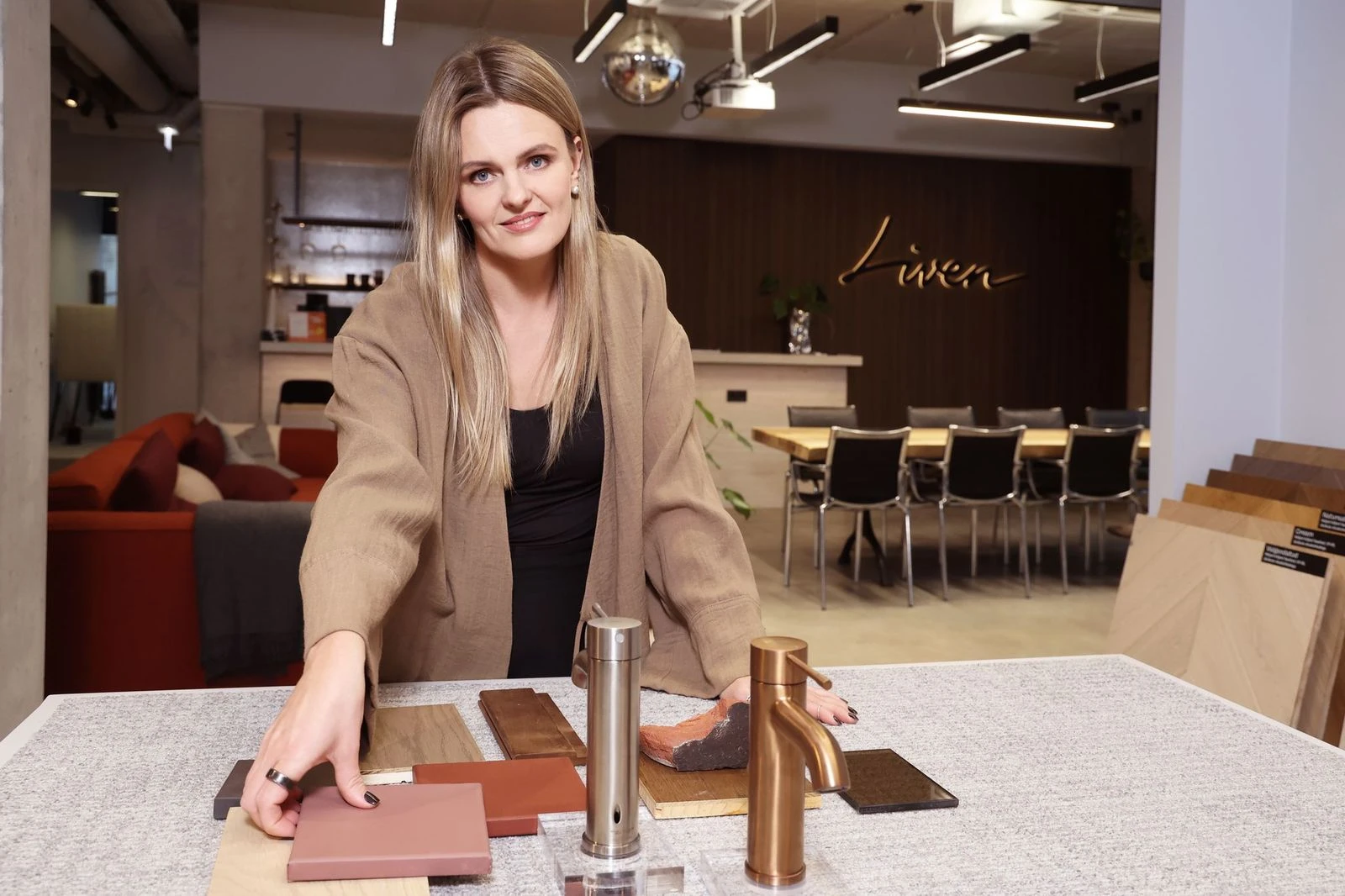
Uue kodu ostmine on suur otsus. Veel suuremana paistab see aga siis, kui soovitud elukoht pole veel valmis ja ost vormistatakse disaini või ehituse faasis – kuidas osta kodu, mida sa oma silmaga näha ei saa? Paljude koduostjate jaoks tekitab nii-öelda paberilt ostmine kõhklust: protsess tundub abstraktne, pisut hirmutav ja raskesti ette kujutatav. Kinnisvaraarendaja Liveni loovjuht Alina Kester selgitab, miks kodu paberilt ostmine ei ole tegelikult risk, vaid hoopis võimalus oma kodu enda järgi kujundada, ja kuidas seda võimalust targalt ära kasutada.
Kinnisvaraarendaja Liven AS loovjuhi Alina Kesteri sõnul kardetakse paberilt ostmise juures enim just seda, et otsus tuleb teha justkui pimesi: ”Tegelikult on olukord vastupidine. Kui kodu on juba valmis ehitatud, siis on kõik otsused sinu eest ära tehtud – seinad püsti, plaadid seinal, pistikud omal kohal. Paberilt ostes on sul aga võimalus need asjad enda igapäevase elu järgi paika panna, enne kui midagi valmis on tehtud.”
Mida varem otsustad, seda rohkem saad kaasa rääkida
Ostjad, kes liituvad oma uue kodu loomisega varakult, saavad võimaluse selle kujunemises sõna sekka öelda. Koos sisearhitektiga saab läbi mõelda planeeringu, valida viimistluse ja materjalid, seinavärvid ja vannitoaplaadid ning üle vaadata, kus kõik pistikud ja valgustid asuvad. Alina Kesteri sõnul on paljud neist otsustest hilisemate ostjate jaoks juba ära langetatud ning tihti pole neid tagantjärele enam võimalik muuta.
„Varasel ostjal on kõige rohkem vabadust. Tulevane koduomanik saab otsustada, kas mõni sein võiks olla veidi mujal, kas köök võiks avaneda teistpidi või milline magamistoa ukse asukoht on igapäevaseks liikumiseks kõige mugavam,“ selgitas Kester. „Peale ehituse algust muutub nende asjade muutmine kas keeruliseks, kulukaks või päris võimatuks. Seepärast soovitan olulised otsused teha võimalikult varakult – siis, kui joonisele on veel lihtne parandusi teha.“
Tark koduostja vajab kujutlusvõimet
Kõige suurem takistus paberilt ostmisel on tunne, et joonisest on raske aru saada. Alina Kesteri sõnul aitab siin üks lihtne harjutus, mida ta soovitab teha igal koduostjal:
„Soovitan kujutleda end nendes ruumides igapäevaselt liikumas. Mõtle läbi, kust sa hommikul kööki lähed, millisest lülitist valguse põlema paned, kuhu käib söögilaud ja kus pere õhtul kokku saab. Mõõda oma praegune söögilaud ja võrdle joonisel olevaga. Kui hakkad joonist lugema oma päris elu kaudu, muutub see kohe arusaadavamaks – näed ära, kus on ruumi mugavalt liikuda ja kus võiks tekkida kitsaskoht.”
Idee: Mõõda oma mööbel ja kanna mõõdud joonisele – nii saad näha, kuidas asjad uues kodus paigutada.
Enne kui hakata valikuid tegema, tasub maha istuda ja mõelda, mis on teie perekonna jaoks elus tähtis nii praegu kui tulevikus. Alina Kester soovitab koostada nimekiri ja panna kirja nii mured ja rõõmud praeguses kodus kui ka plaanid tulevikuks. Murekohtadeks võivad olla näiteks ruumipuudus esikus, köögis või panipaigas, või kodumasinad, mis hetkel majapidamisse ära ei mahu. Kui peres on väikesed lapsed, muutub nende ruumivajadus juba paari aastaga täielikult. Pere jaoks täna valitud kodu peab toimima ka siis, kui elu vahepeal muutub.
“Arhitektuurne joonis näitab ruumide seinu ja uksi, aga ei näita näiteks seda, milline on valgus. Selle kohta tasub kindlasti eraldi küsida. Valgus muudab kodutunnet rohkem, kui esmapilgul arvata oskad. Sama korter võib mõjub täiesti teistmoodi, kui elutuppa paistab õhtupäike, või näiteks siis, kui aknad jäävad põhja poole. Kumbki pole halb – oluline on lihtsalt teada, mis sind ees ootab, ja planeerida ruumid selle järgi. Hommikuinimesele sobiks näiteks idaaken magamistuppa, õhtust päikest saaks elutoas nautida lääneakendega. Põhjapoolne tuba jääb üldiselt jahedamaks ja hämaramaks – see pole miinus, kui planeerida sinna näiteks kodukontor, kus otsest päikesevalgust ekraanile niikuinii ei tahaks.“ selgitas Kester.
Kui kõik pere vajadused on kaardistatud, tuleb Alina Kesteri sõnul järgmisena otsustada, millised toad võiksid olla suuremad ja millised võivad jääda väiksemaks. Ükski kodu pole lõputult suur ja iga ruutmeeter tuleb nutikalt ära kasutada. Ruutmeetrite arv üksi ei ütle veel midagi – tähtis on, kuhu need paigutuvad. Kui pere armastab koos süüa teha ja külalisi võõrustada, tasub anda rohkem ruumi köögile ja söögialale, isegi kui see tähendab veidi väiksemat magamistuba. Kui keegi teeb kodus tööd, on vaja kohta, kus saab ukse kinni panna. Suur tuba, mida keegi ei kasuta, on raisatud ruum – parem on ruutmeetrid suunata sinna, kus elu päriselt käib.
Soovitus: Anna igale toale hinne selle järgi, kui tähtis see teie pere elus on, ja jaga ruutmeetrid vastavalt.
„Kui joonisel on kaks umbes ühesuurust tuba, aga sina tead, et üks neist saab olema lastetuba kahele ja teine harva kasutatav külalistetuba, siis tasub küsida, kas seina saaks veidi nihutada. Paberil on see lihtne muudatus," jagas Kester. “Toa suurust tuleb hinnata mitte ruutmeetri numbri, vaid selle järgi, mis sinna sisse peab mahtuma. Number iseenesest ei ütle, kas tuba on piisav. Võta ette, mis sinna tuppa käib – voodi, kapp, töölaud, lapse mängunurk – ja vaata, kas need mahuvad nii, et jääb ka ruumi mugavalt liikuda. Kui köök on teie kodu süda, võiks selle pikkus olla vähemalt kolm ja pool või neli meetrit, et mahuks võõrustama; eraldi lastetuba toimib juba alates umbes kümnest ruutmeetrist; kabinet võib olla veelgi väiksem. Väike, aga hästi planeeritud tuba võib toimida paremini kui suur, kus mööbel ei taha kuidagi paika saada.”
Kõige olulisem eelis kodu paberil ostmise juures puudutab asju, mida hiljem enam muuta ei saa, eelkõige elekter, vesi ja valgus. Just siin peitub varajase otsuse tegelik väärtus. Vee- ja elektrisüsteemid peavad olema läbi mõeldud enne, kui seinad kinni lähevad. Peale plaatimist on pistikupesa Alina Kesteri sõnul samahästi kui võimatu nihutada. Kui pistikute ja valgustite asukohad vaadatakse üle ja kiidetakse heaks juba joonisel, säästab see tulevikus palju peavalu ja pikendusjuhtmeid. Kõige rohkem vajatakse pistikupesasid näiteks voodi kõrvale telefoni laadimiseks, köögitasapinnale kohvimasina jaoks ja peegli kõrvale fööni kasutamiseks.
Idee: Käi mõttes läbi oma igapäevased toimingud ja märgi joonisele üles kõik vajalikud pistikud.
“Enne kodu üleandmist toimub ametlik ülevaatus, kus ostjatel on võimalus kõik detailid oma silmaga üle käia. Seda ei tasu kergekäeliselt võtta, sest ülevaatuse käigus leitud vead parandatakse enne omandi üleandmist, hiljem avastatud murekohad jäävad uuele omanikule ise lahendamiseks. Ülevaatusel tasub olla tähelepanelik ja rahulik – mine ruumidesse nii, nagu hakkaksid seal juba elama. Ava ja sulge uksed, vaata pinnad üle, katsu käega. Kõik, mis silma jääb, pane kirja. See on sinu võimalus asjad korda saada enne, kui kolimiskastid sisse tood,“ rääkis Kester.
Värskelt valminud kodu juurde kuuluvad ka kasutusjuhendid ja garantii, mis annavad värsketele omanikele esimesteks aastateks uues kodus kindlustunde, et murede korral on abi käeulatuses. Alina Kesteri sõnul ei ole kodu paberilt ostmine sugugi hüpe tundmatusse, vaid harv võimalus saada endale päriselt omanäoline kodu – kui julged oma soovid varakult välja öelda ja otsused rahulikult läbi mõelda.