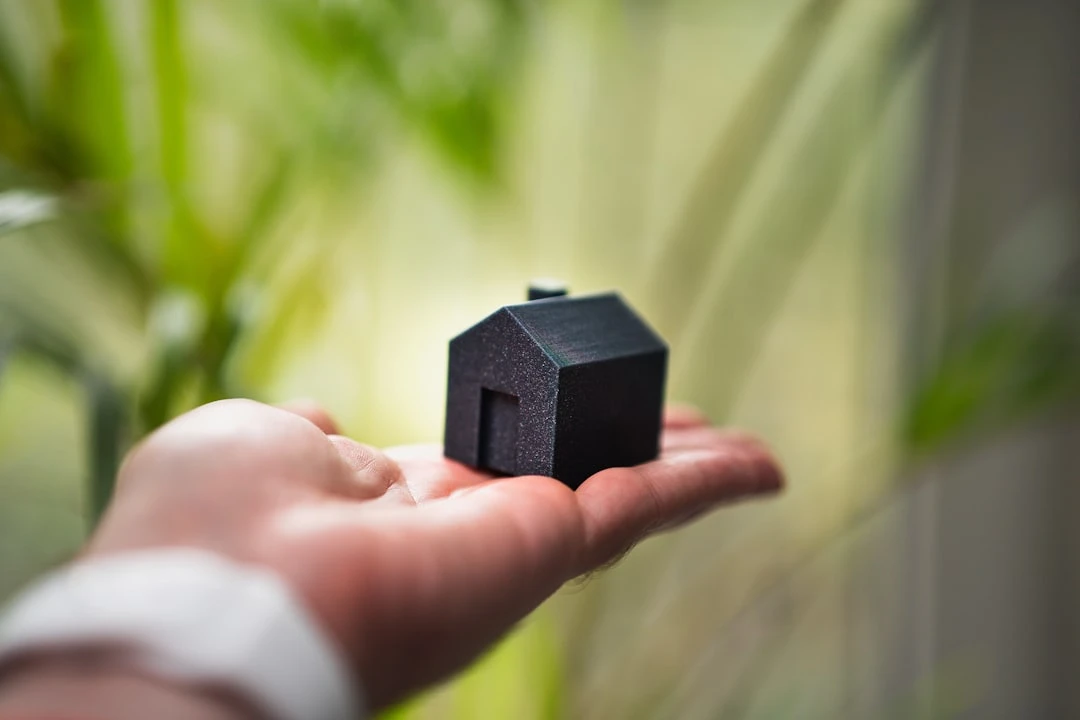
Ultra-Popular Black Single-Family Home Trend in Estonia Beginning to Fade Across Europe
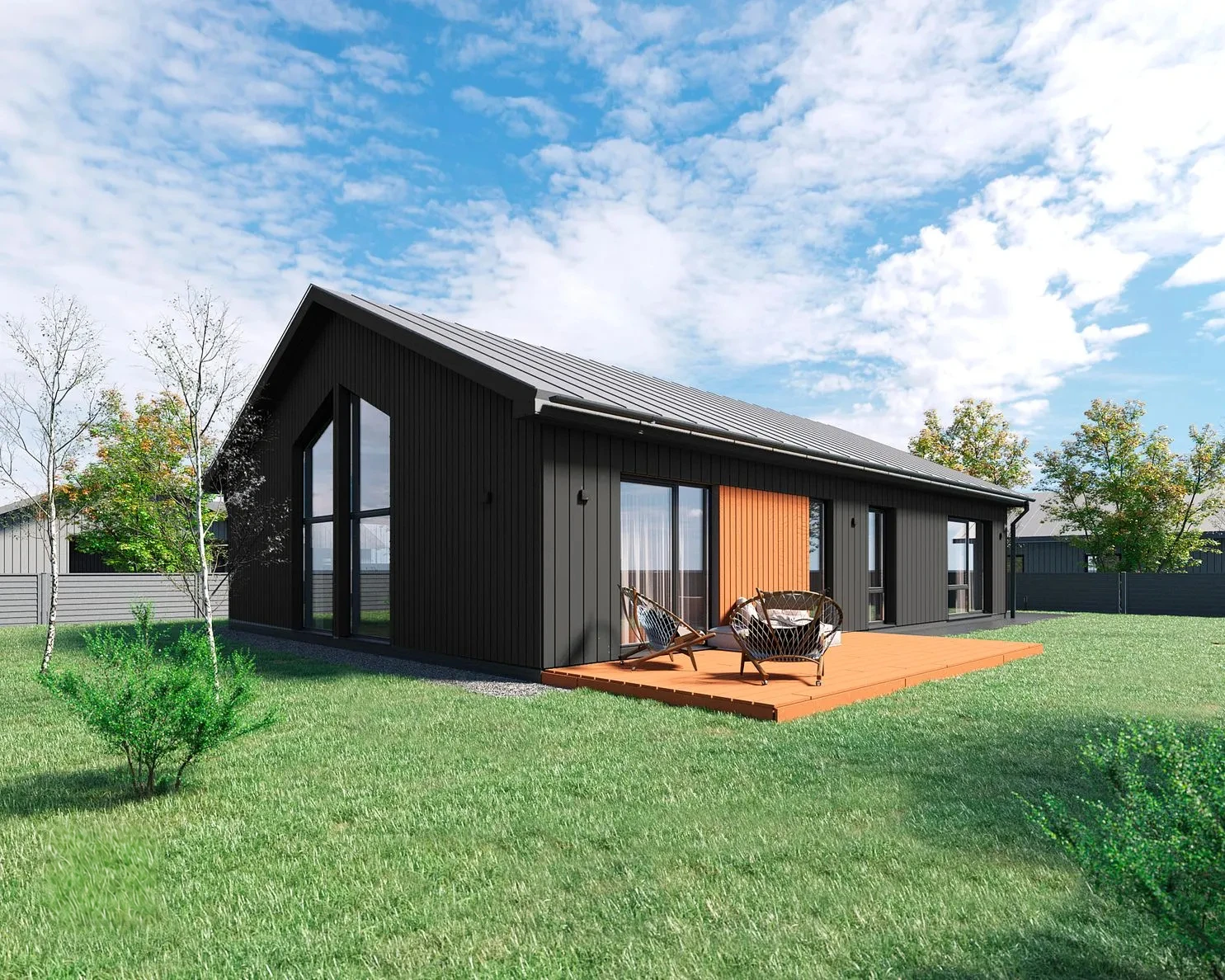
In Estonia's new residential areas, one of the most striking architectural trends has become single-story detached houses with large windows and wooden facades in black, dark brown, or dark gray colors. A fashion that began in Scandinavia a couple of decades ago remains popular in Estonia, but Nordic architects are already predicting a new direction: instead of black, people increasingly prefer the natural color of wood, sand tones, and green hues.
Of the detached houses and semi-detached houses completed in 2026 currently for sale on the Kinnisvara24 portal in Harju County, 36% have dark wooden facades. Of all houses with wooden facades, as many as 87% are painted black, dark gray, or dark brown.
„Black is as popular in Estonian residential construction as black sweaters and jackets are among young people. It is especially striking in the new residential areas of Tallinn's suburban municipalities: single-story houses of simple form with black wooden planking and large windows," noted Kinnisvara24 CEO Urmas Uibomäe.
According to his assessment, the popularity of black wooden houses has been primarily driven by the influence of Scandinavian architecture. „Black color emphasizes the clear lines of a house, works well with large glass surfaces, and gives the wooden facade a contemporary appearance. Additionally, a dark house blends well with the Nordic natural environment. At the same time, it should be noted that a black facade absorbs more solar heat. Larger temperature fluctuations affect both the wood and the paint layer, which is why a dark wooden facade may require more frequent maintenance than a lighter one," explained Uibomäe.
In the Nordic countries, dark wooden houses have a long tradition. Tarred dark wood has been used there for centuries, but as a modern architectural fashion, black facades began to spread more widely in the 2000s. Minimalist homes designed by Danish and Swedish architects brought this color back to residential construction.
This fashion trend reached Estonia's architectural landscape in the last decade, initially as dark gray and dark brown houses. In later years, the use of black or anthracite-gray planking became particularly common.
While dark detached houses remain extremely popular in Estonia, architectural preferences in the Nordic countries have begun to change. In Swiss building materials manufacturer Swissspearl's 2025 study involving one hundred architects, more than two-thirds predicted that over the next ten years, the natural color of building materials will be increasingly preferred on house facades. Growing popularity was also predicted for nature-inspired tones, particularly green and beige.
Similar changes are described by Norwegian finishing industry information center IFI in its current color review. According to it, jet black facades are gradually being replaced by warmer tones. Beige, grayish-beige, ochre and sand tones, and soft green hues are emerging. Solutions that highlight the natural pattern of wood are also gaining popularity.
„A house is not purchased for just one season, and architectural fashion changes more slowly than interior design fashion. Nevertheless, it can be expected that in the coming years we will also see more Estonian homes in natural tones. When choosing the exterior appearance of your home, it is worth considering whether you will like it ten or twenty years from now," said Uibomäe.
Search
Keywords
Most read articles
- Price per Square Meter of Apartments in Tallinn in 2025
- Apartment Market in Early 2026: Prices Rising, Transaction Activity Remains Modest

- Apartment Market in Early 2026: Prices Rise, Transaction Activity Remains Modest
- Estonian Apartment Prices and Market Expectations in 2025

- Notary Fee and State Fee – Who Pays and How Much?